Young athletes and performance: A look ahead to JIRR, U19 Trials and the Olympic Pathway Development Regatta
JIRR Chair Luke Dillon, U19 Programme Manager Dan Cooper and Senior Performance Development Coach Dan Harris share their thoughts and advice before a huge weekend of racing in Nottingham
Credit: AllMarkOne
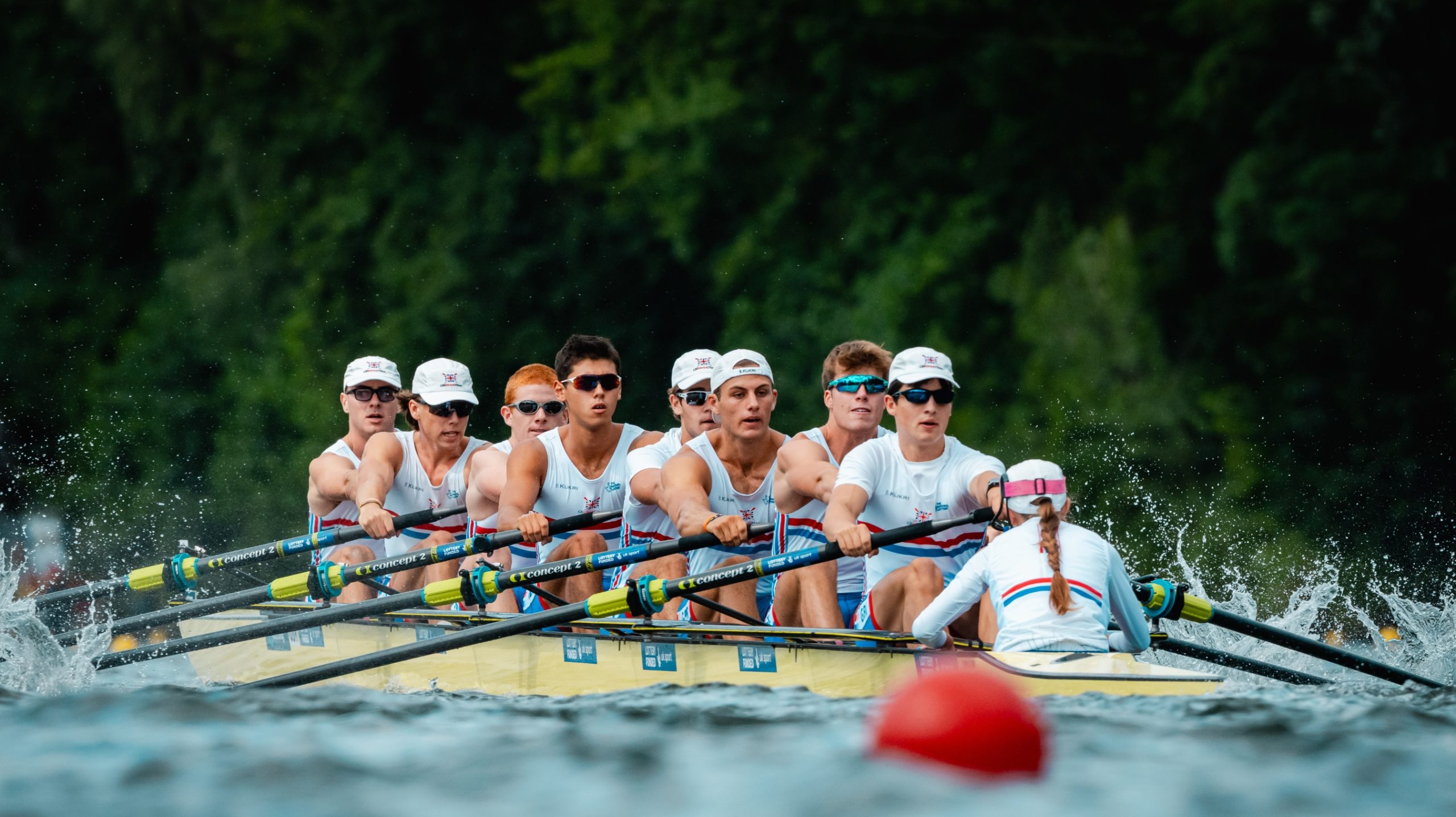
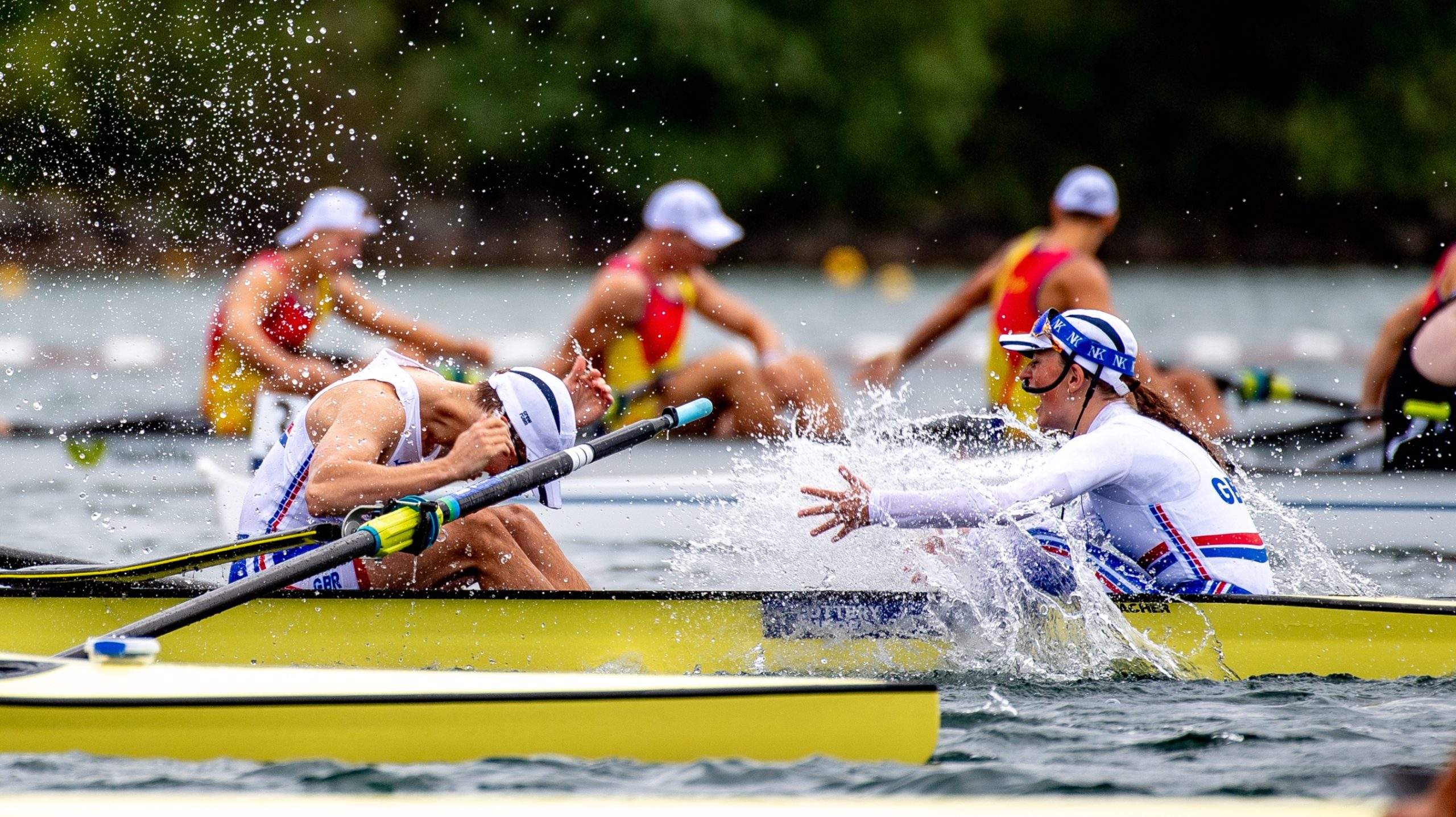
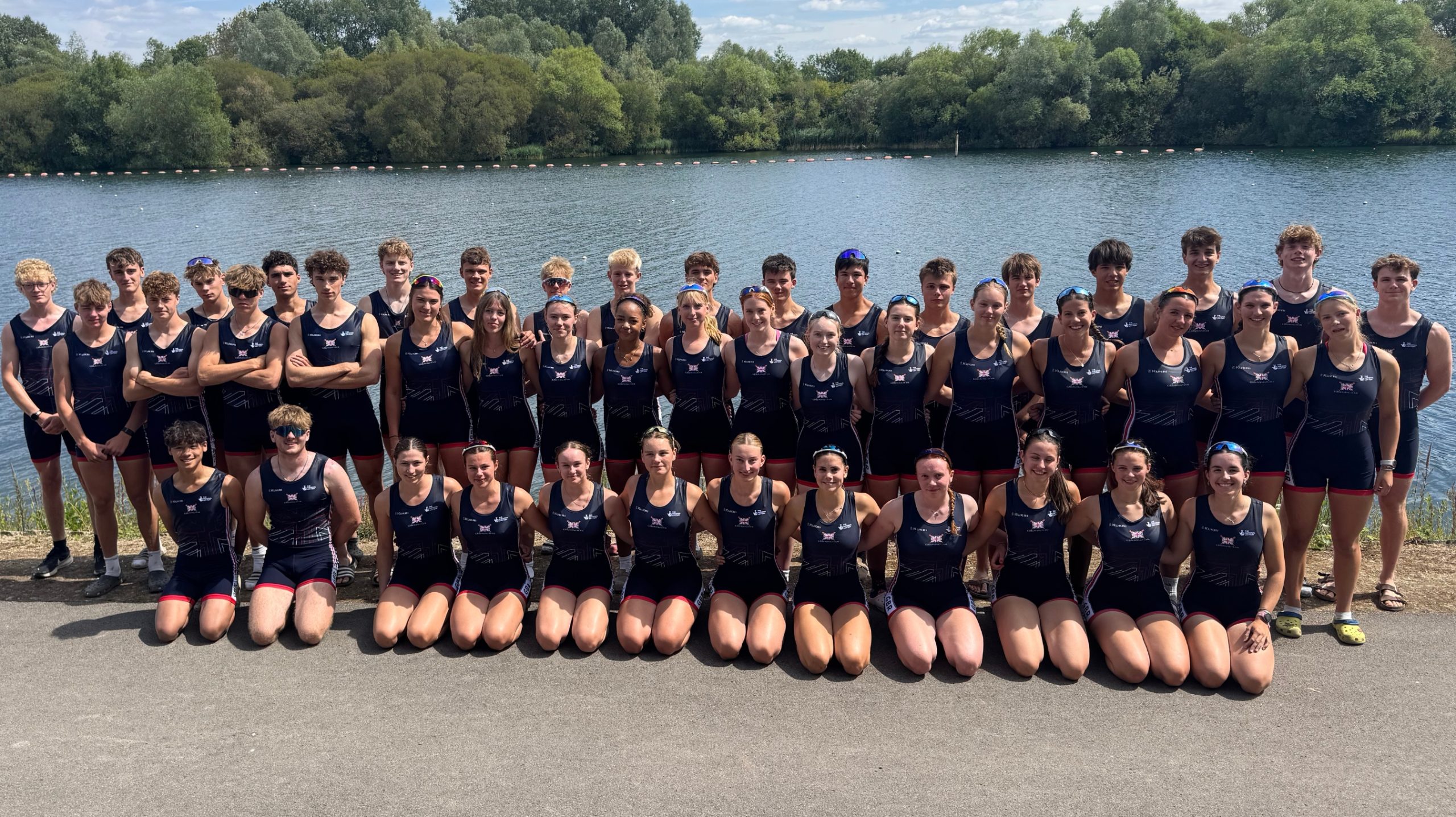
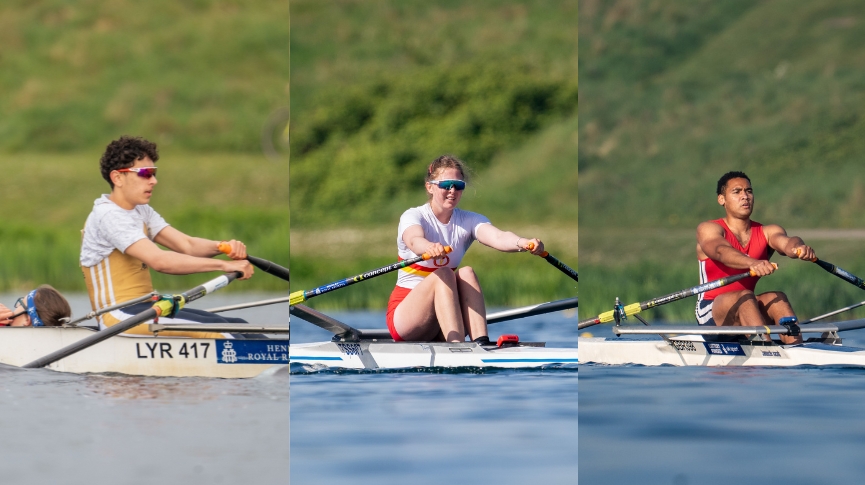
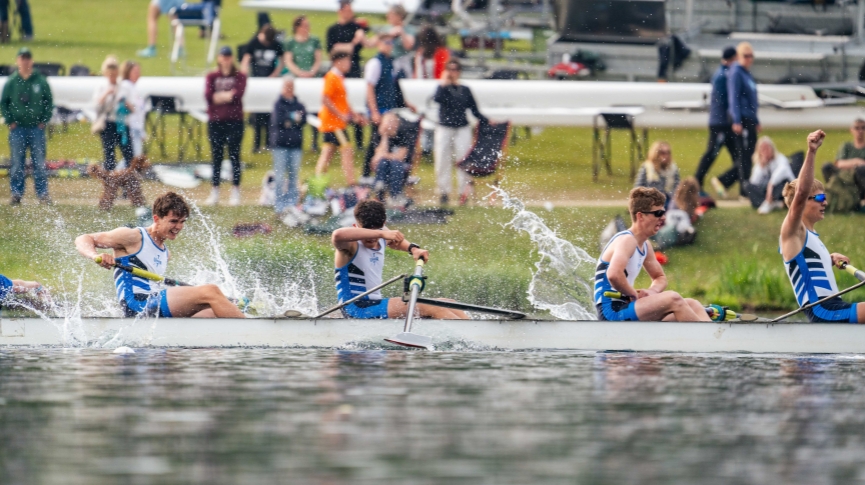
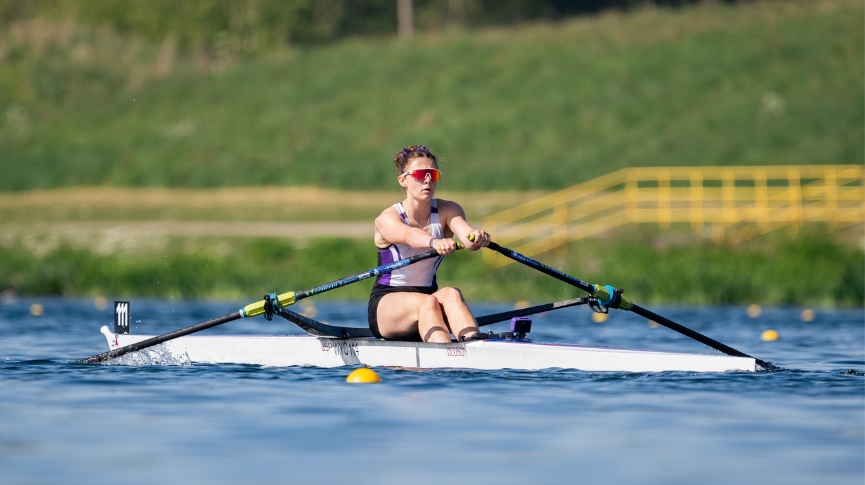
This weekend’s Junior Inter Regional Regatta takes place during one of junior rowing’s busiest and most important weekends of the year. Saturday’s competition will see 16 teams of young rowers representing their regions, having gained their places through a series of regional selection trials. On Sunday, athletes will be descending on the lake to compete at U19 GB Rowing Team Trials, the final open trials before this year’s international crew selection in July. Throughout the weekend, Holme Pierrepont Country Park will play host to the GB Performance Development Academies Camp, ending in the Olympic Pathway Development Regatta – a chance for pathway athletes to experience side by side racing and put their training to the test.
Dan Cooper is the U19 Programme Manager for the GB Rowing Team. “This weekend is a real highlight of the rowing calendar. Bringing together so many athletes in one place creates a unique energy and sense of occasion. Regardless of age or experience, they all share the same drive to deliver their best possible performance once the starter shouts GO!”
 Credit: AllMarkOne
“This weekend is not an endpoint for any of these athletes, it’s a stepping stone” – Dan Cooper, U19 Programme Manager for the GB Rowing Team
Luke Dillon is Chair of the Junior Inter Regional Regatta (JIRR). JIRR is a unique event in that crews race for their region, not for their club. Athletes who will spend the rest of the season competing against each other for medals will race as a united front this weekend. “Having the JIRR alongside U19 Trials and the Olympic Pathway Development Academy is a fantastic opportunity to bring talent from all over the UK together. It’s great to have different athletes at different stages of their performance journeys all at Nottingham over the weekend. A massive part of the JIRR is about inspiring young athletes to push themselves; this is their first taste of representation beyond their own club. The whole weekend is about some of the best young athletes in the UK, as well as our future Olympic talent.”
The GB Performance Development Academies form one of Great Britain’s most successful talent identification programmes. They recruit and develop individuals between the ages of 14 and 22 (often with no rowing experience) into athletes with Olympic potential. Dan Harris, Senior Performance Development Coach, sees this weekend as a centerpoint for future success.
“When rowing is so often linked to the Boat Race or Henley Royal Regatta, it’s weekends like this that are ultimately the bread and butter of our sport. The regional element of JIRR helps create an even bigger team than most of the athletes are used to. The format of the racing also allows many juniors to experience their first multi-lane racing and the intensity of it! It’s something I always enjoyed when representing the North!”
This year’s JIRR has the biggest entry to date. “It’s the most adaptive athletes racing and also the most teams we have seen at the event,” said Luke. “All these things mean we have more young athletes able to compete, to represent their region and be part of a really unique event in the racing calendar.
“One of the most special parts of the event is thinking about the future of all the athletes who compete, some of whom may go on to row at the highest levels.” – Luke Dillon, Chair of the Junior Inter Regional Regatta
“One of the really powerful things about the JIRR is the team element. Just like the Juniors, U23s and senior teams, when they travel together to represent the GB Rowing Team at an event, it requires more than just each individual athlete doing their own thing. JIRR is a chance to understand the benefit of being part of a wider team, to learn from more experienced athletes and to support the other members of the region.”
For athletes racing at JIRR who have their sights set on reaching U19 Crew Formation in either 2027 or 2028, Dan Cooper has some advice. “The best thing a young athlete can do now is to write down what they want to achieve, breaking this down into manageable timelines, and recognise those around them who can support them along the way. Motivation to do the hard work comes from the desire to achieve your goals, and by building good habits early, they’ll put themselves in a strong position for the future.”
 Credit: AllMarkOne
“This weekend is not an endpoint for any of these athletes; it’s a stepping stone. Each of them will take something from the experience and continue their development, whether that’s JIRR athletes returning to their club crews with a focus on national regattas, or U19 trialists pushing towards international selection and podium ambitions. Higher levels of racing sharpen their understanding of what is required to progress. It’s not just about the results, it’s about learning, adapting, and being inspired to take the next step in their journey within the sport.”
With so many young rowers, from coxswains supporting JIRR at age 11 up to the university students taking part in the Olympic Pathway Development Regatta, there’s plenty to be learned across the age groups.
 Credit: AllMarkOne
“For many of the GB Performance Development Academy athletes who came to us with no rowing experience, this is a chance to see the wider sport and what it’s all about. They volunteer at JIRR, so that they see ‘behind the scenes’ and give back to the sport!
“It’s always important to recognise the people behind the athletes,” says Dan Cooper. “Coaches, parents, volunteers, trailer drivers, and event organisers all play a crucial role in making weekends like this possible. Their support enables athletes to perform at their best, and the sport simply wouldn’t function without them.”
“Lots of the GB Rowing Team, who are household names now, rowed at the JIRR as Juniors,” says Luke. “One of the most special parts of the event is thinking about the future of all the athletes who compete, some of whom may go on to row at the highest levels.
“There is a massive team of volunteers, umpires, team managers, coaches and other supporters who make events like the JIRR happen. Without their tireless efforts, the event could not take place. A massive thank you from me on behalf of British Rowing as well as the organising committee to everyone who has given up their time to make the event special for all our regional teams.”
Top tips for success from Dan Harris
- Do the basics! Focus on getting the basics right and find peers and coaches who will support you to do that. Be intentional but patient; the best athletes execute the fundamental basics better and more consistently than anyone else
- You can’t out-train poor recovery! Good fueling, rest, and sleep are essential
- Learn, at all costs! Be a student of the sport, be curious and continually develop your knowledge and understanding of yourself and the sport