Rowing when water quality is poor: How to keep safe, what we track and what your club can to do to help
You can find all our latest guidance on our sustainability page!
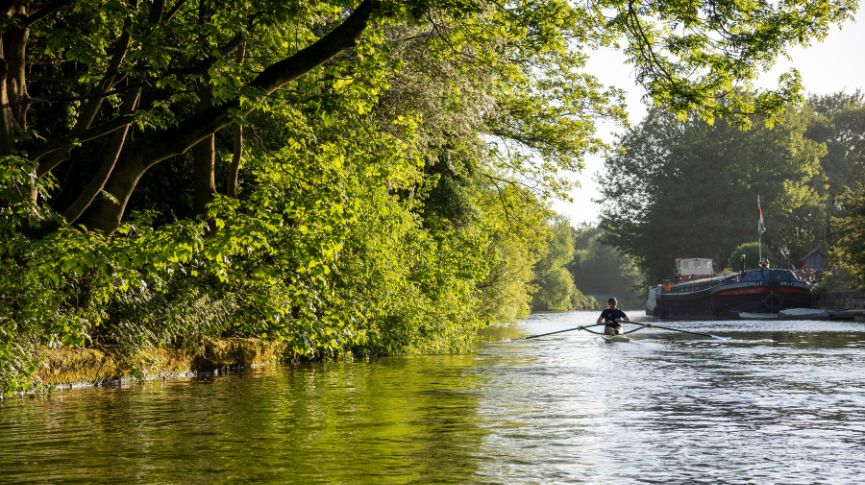
The good news is our sport takes place on top of the water, not in it. Other sports aren’t as lucky, so we’re working with PaddleUK, British Triathlon and more as part of the Clean Water Sports Alliance to advocate for clean waterways around the UK.
Here are our top tips for keeping as safe as possible if you’re worried about water quality, and you can download our PDF guidance below!
What you can do
The golden rules
- Never drink water from sources such as rivers, lakes, canals, or the sea
- Wash hands thoroughly before eating or drinking after your session
Take care of cuts and grazes
- Cover all cuts, grazes and blisters with waterproof dressings
- Wash or shower after any significant contact with water from the river, lake, canal, or sea, especially if there are any exposed cuts or grazes
- Clean all cuts and grazes thoroughly
Watch your water bottle
- When taking a bottle of water onto the boat, ensure the bottle has a closed top – on a sports top bottle, water could splash onto it
- Take care not to swallow water that splashes close to your mouth
- If water is swallowed, refer yourself to a healthcare professional with full details of the incident
Choose sensible footwear
- Wear suitable footwear when launching or recovering a boat, particularly if it is necessary to wade into the water, to prevent direct contact with the water and protect the feet from cuts and abrasions.
Clean your kit!
- Clean down all equipment using a bucket and sponge after outings to remove any potential contamination – this is especially important if you’re moving between stretches of water, to prevent the transfer of non-native species between waterways
And if you do become ill…
- •See your doctor as soon as you think you may have relevant symptoms. Tell them that you have been in contact with or swallowed river water when rowing
- Inform your club and report incidents to British Rowing
What your club can do
The best thing your club can do is stay up to date with our latest sustainability guidance, found on this page.
If you want to monitor your stretch or you have questions, get in touch with us at [email protected]!
Club officers can
- Assess waterborne contamination risks and integrate findings into club risk assessments
- If risk is high, seek guidance from the Local Authority Environmental Health office and the local Water Authority
- Ensure that any information on poor river quality is provided to members
- Report incidents of sickness after rowing on poor quality water via British Rowing’s Safety Incident Reporting
Coaches can
- Understand and communicate the risk of poor river water to participants
- Monitor at-risk individuals
- Ensure adherence to safety measures
Competition Officers and Organising Committees can
- Assess water contamination risks and incorporate them into competition risk assessments
- Communicate precautions to all relevant participants, using our guidance
More info
What is poor water quality?
When we’re talking about poor river water quality, we mean the chemicals or microorganisms that don’t naturally occur in the river, usually from sewage or agricultural run-off in the water.
What chemicals do rowing clubs track?
Rowing clubs often track phosphates, nitrates and E. coli.
Phosphates and nitrates are chemical compounds that are found in fertilisers, and when introduced to rivers they can cause ecological problems.
Alongside phosphates and nitrates, the presence of E. coli tells us there is pollution in the river.
Clubs who are part of British Rowing’s Thriving Water Scheme are tracking these chemicals – if you want to know more or start tracking your stretch, get in touch with us at [email protected]!