Rowing on the River Thames: Staying safe when the water quality is poor
Following reports of increasing illegal sewage discharges into the Thames, here’s how to stay safe when the water quality is poor
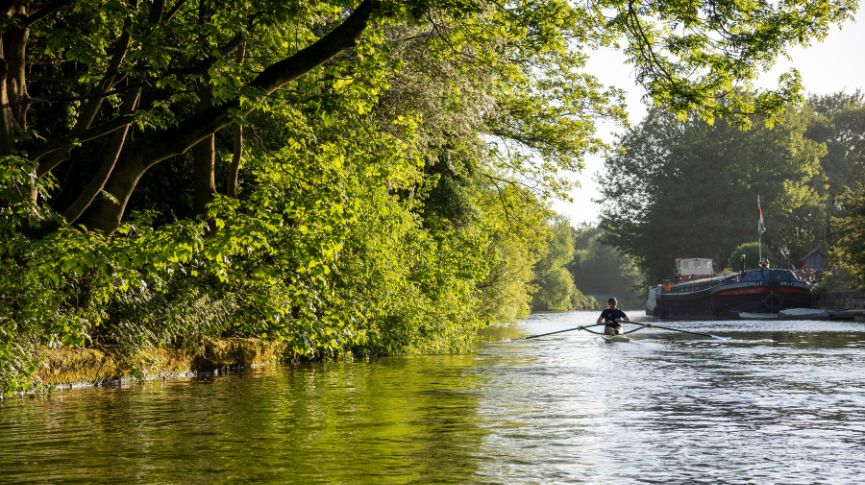
We are aware of serious concerns about water quality on the Thames following a number of Combined Sewage Overflow discharges this week, including incidents during dry weather that should not have occurred. Independent testing has recorded E. coli levels at up to 58 times above DEFRA’s threshold for poor water quality.
British Rowing has a long history of championing cleaner waters, spearheaded by a robust Environmental Sustainability Strategy. As founding members of The Clean Water Sports Alliance, made up of 11 National Governing Bodies, we are continuously working across sport to improve water quality in our rivers and waterways nationwide. We work closely with River Action and The Rivers Trust to help support and empower rowing communities to rescue Britain’s rivers.
Read our top tips for keeping as safe as possible when rowing on the Thames and download our PDF guidance below.
What you can do
The golden rules
- Never drink water from sources such as rivers, lakes, canals, or the sea
- Wash hands thoroughly before eating or drinking after your session
Take care of cuts and grazes
- Cover all cuts, grazes and blisters with waterproof dressings
- Wash or shower after any significant contact with water from the river, lake, canal, or sea, especially if there are any exposed cuts or grazes
- Clean all cuts and grazes thoroughly
Watch your water bottle
- When taking a bottle of water onto the boat, ensure the bottle has a closed top – on a sports top bottle, water could splash onto it
- Take care not to swallow water that splashes close to your mouth
- If water is swallowed, refer yourself to a healthcare professional with full details of the incident
Choose sensible footwear
- Wear suitable footwear when launching or recovering a boat, particularly if it is necessary to wade into the water, to prevent direct contact with the water and protect the feet from cuts and abrasions.
Clean your kit!
- Clean down all equipment using a bucket and sponge after outings to remove any potential contamination – this is especially important if you’re moving between stretches of water, to prevent the transfer of non-native species between waterways
And if you do become ill…
- See your doctor as soon as you think you may have relevant symptoms. Tell them that you have been in contact with or swallowed river water when rowing
- Inform your club and report incidents to British Rowing
What your club can do
The best thing your club can do is stay up to date with our latest sustainability guidance, found on this page.
If you want to monitor your stretch or you have questions, get in touch with us at [email protected]
Club officers
- Assess waterborne contamination risks and integrate findings into club risk assessments
- If risk is high, seek guidance from the Local Authority Environmental Health office and the local Water Authority
- Ensure that any information on poor river quality is provided to members
- Report incidents of sickness after rowing on poor quality water via British Rowing’s Safety Incident Reporting
Coaches
- Understand and communicate the risk of poor river water to participants
- Monitor at-risk individuals
- Ensure adherence to safety measures
Competition Officers and Organising Committees
- Assess water contamination risks and incorporate them into competition risk assessments
- Communicate precautions to all relevant participants, using our guidance