From Leeds to the start line: How The GORSE Academies Trust won at the National Schools Regatta
The GORSE Academies Trust is breaking down barriers to rowing in Leeds, and this is what a gold medal at the National Schools Regatta says about their programme
Credit: AllMarkOne
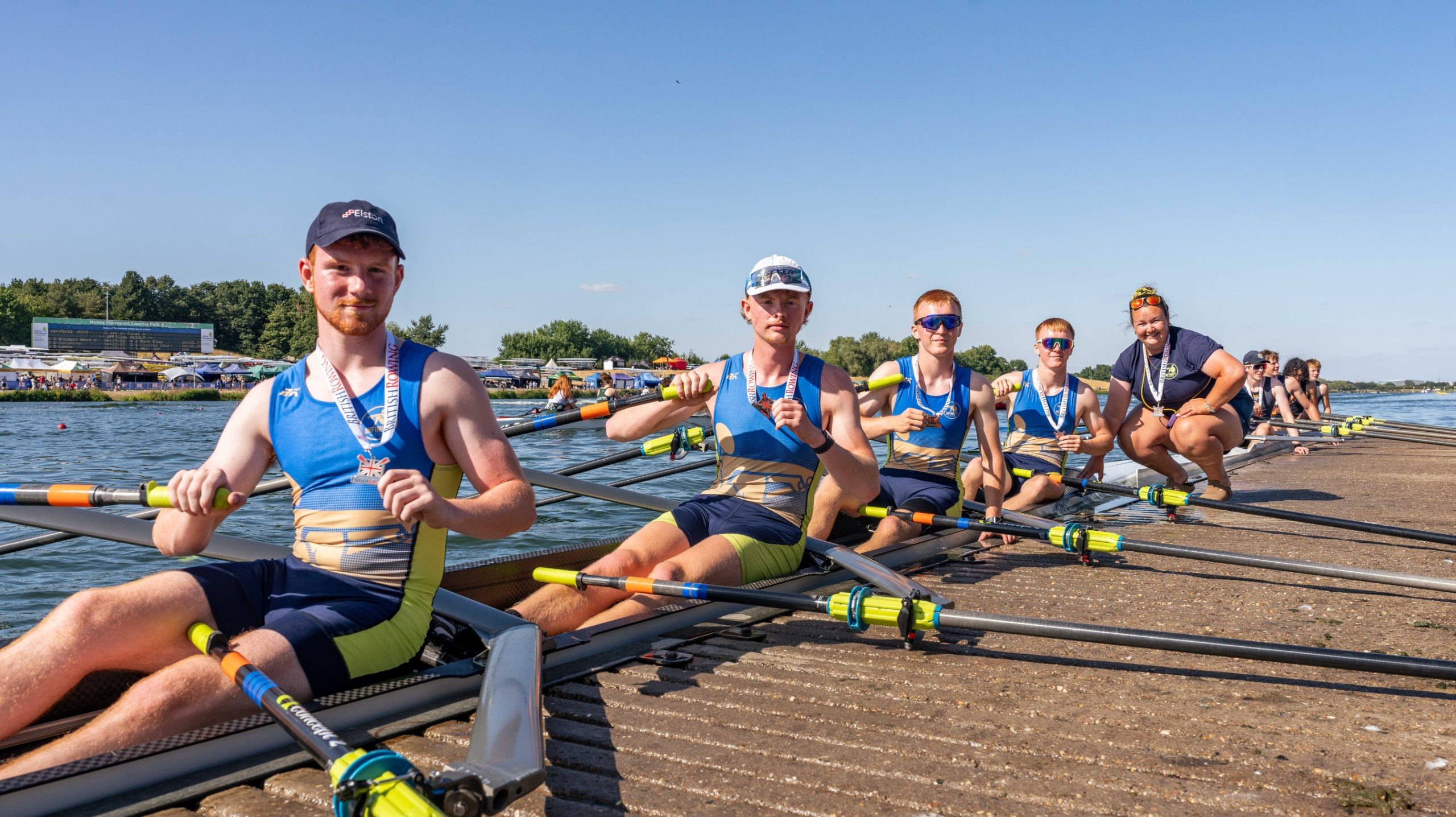
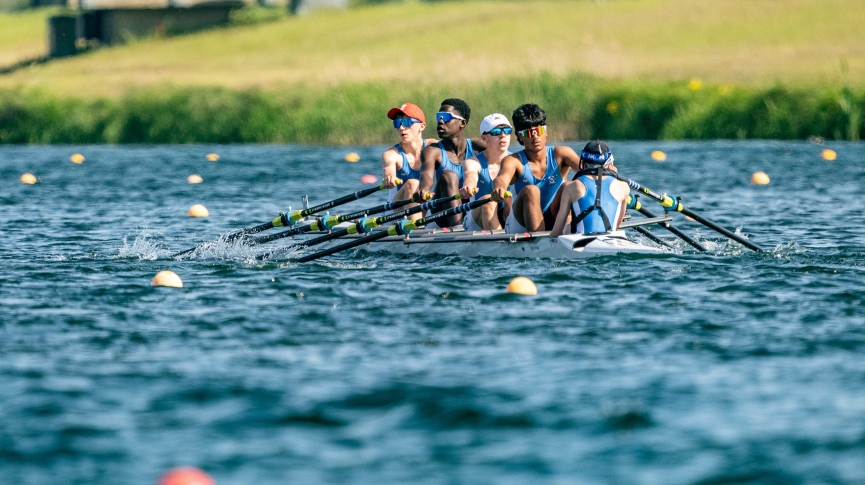
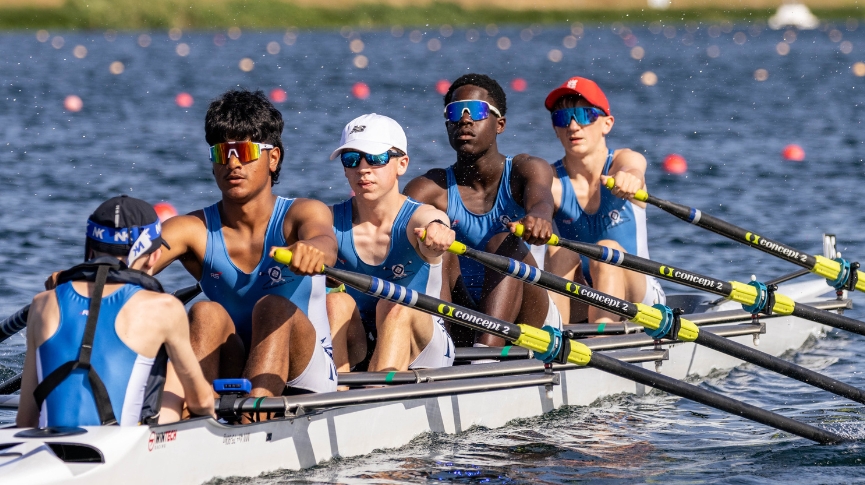
The commentators at this year’s National Schools’ Regatta were stumped as The GORSE Boat Club crossed the line first in the J14 Coxed Quads. One voice could be heard asking: “I think that’s The GORSE Boat Club. Who’s that?” It was The GORSE Academies Trust, and they had just won a gold medal.
The Gorse Academies Trust is a group of primary, secondary and post-16 academies situated in Leeds, that has been offering rowing to its students since 2016. This year marks the programme’s tenth anniversary, a milestone that now carries a little more weight than it might have done twelve months ago. The trust offers curriculum sessions, an after-school enrichment programme out of their boathouse on the River Aire and a performance programme that trains 3-4 times per week.
At GORSE, rowing sits alongside karate and volleyball, making up what GORSE calls the “BIG 3”. Rowing and volleyball are built into PE timetables across the trust’s schools, delivered by employed coaching staff.
Tom Davidson, one of five rowing coaches working across the trust, first discovered rowing through GORSE himself. He picked up an oar at GORSE in 2017 and went on to become club captain the following year. “I wouldn’t be in the career path that I’m in if I hadn’t discovered rowing relatively late, at the age of 17,” he says. “It really is a case of being able to help shape these children’s lives further down the line.”
Many GORSE schools serve communities which experience significant social and economic disadvantage, consequently it engages a community that wouldn’t traditionally get the opportunity to participate in the sport. That sense of possibility shapes the pathway GORSE has built. Coaches go into schools and support the teaching of rowing in the PE curriculum. From there, students are invited to voluntary sessions at the boathouse after school. For those who show interest and an aptitude for the sport, the next step is the performance programme. Currently, the squad has around 50 athletes who train on Saturday mornings and Wednesday evenings.
The progression of The GORSE Boat Club has been building steadily. The quad, coached by Matt Dawson, has been rowing together for around two years. They qualified for the Junior Inter-Regional Regatta in April this year, where they came second, then placed second again at The Scullery in March. They arrived at Dorney for the National Schools Regatta with results to suggest they could put in a solid performance. Matt reflected on the weekend and said “After winning a silver at the Junior Inter-Regional Regatta, the first quad was really excited to get another chance to race some top-quality crews.”
 Credit: AllMarkOne
The J14 Coxed Quad was not the only success over the weekend. A second GORSE boys’ J14 Coxed Quad finished in the top ten, and the girls’ J14 Coxed Quad came 12th overall. Trust rowing coach Matt Dawson said; “The first and second quads achieving top 10 finishes and having a quad win just felt like a dream for me and the coaching team. The ethos we have set up has been about working hard and having the belief that they could win, and they have done just that.”
When speaking about the future of GORSE, there was emphasis on continuing to build on their momentum. GORSE has depth in the squads at J13 and J14 level, and the aim is to retain those athletes as they progress through the age groups, developing them to compete at J15, J16 and above. Matt Dawson said; “We’re really excited to grow the program and hopefully have some repeat performances in the years to come.” The long-term ambition for GORSE is to qualify crews for Henley Women’s Regatta and Henley Royal Regatta.
The win in the J14 Quadruple Sculls at the National Schools Regatta will not be the last we see of GORSE
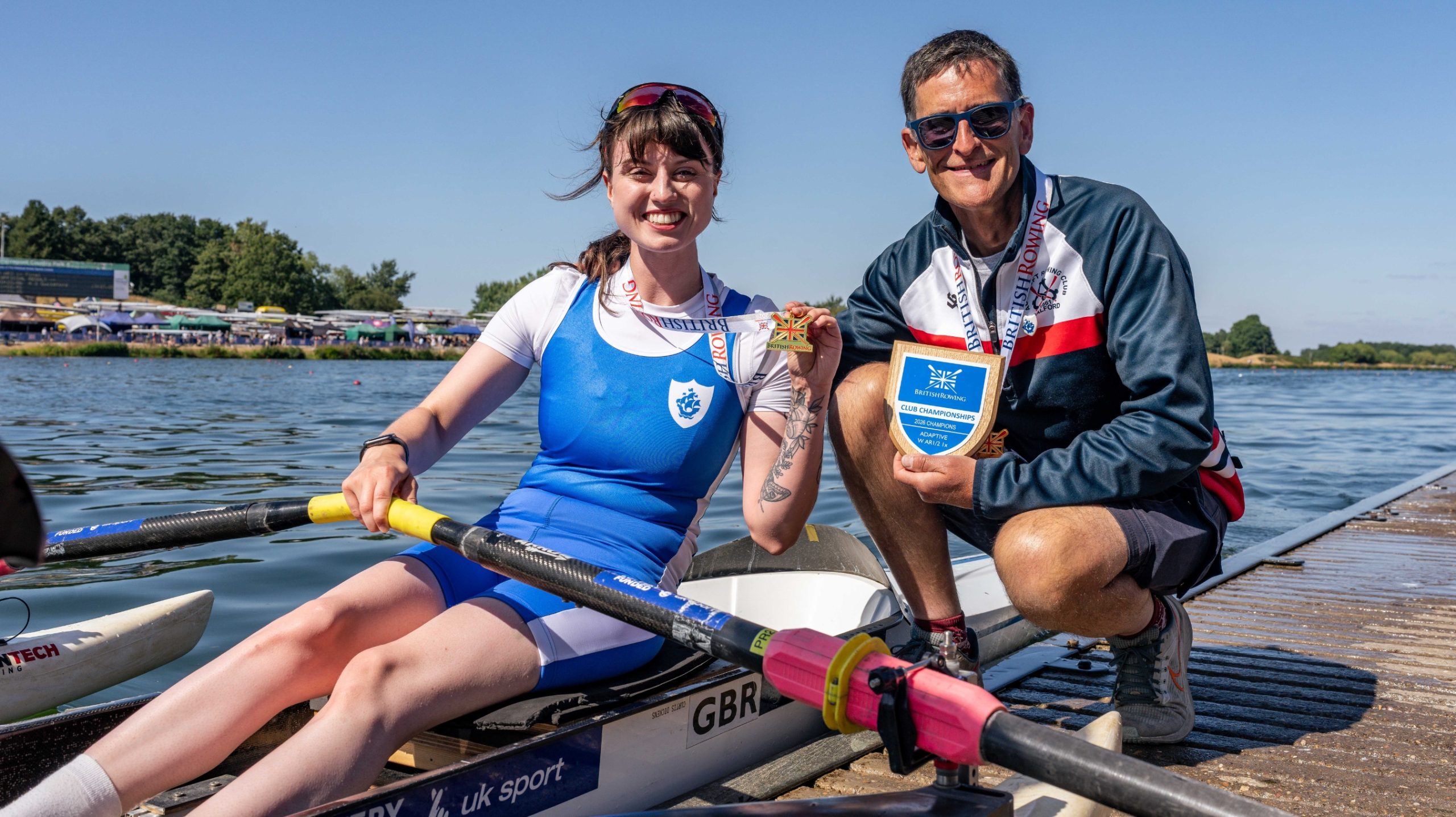
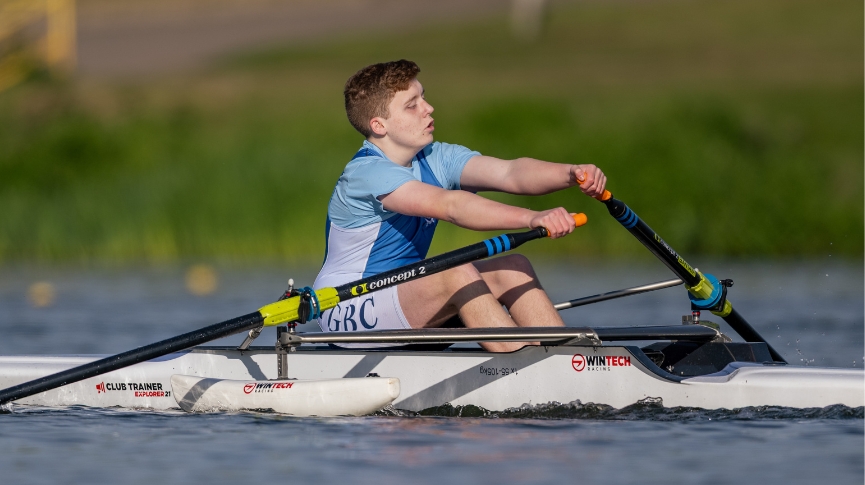
GORSE is also immensely proud to be a fully inclusive club, also offering a para programme. GORSE currently has one PR2 rower and one AR0 athlete. The two have trained on the water since September after taking up indoor rowing a few years ago. They became the first para-athletes to represent Team Yorkshire at the Junior Inter-Regional Regatta, and both raced at Tees Regatta, with the British Rowing Club Championships on the horizon.
Coach Tom said: “Myself and Honor Campbell oversee the para programme, and it’s been fantastic to see them progress into racing at national level. We’d love to see more races and regattas offering an adaptive category throughout the season.”
 Credit: AllMarkOne
The gold medallists from National Schools are among those helping to coach the up-and-coming squads. Many of the performance athletes train alongside beginners, who have never sat in a boat, and Tom emphasises how impactful that is for motivation and the unity of the squad. “Some of the children that have won the medals at National Schools are then helping to coach the current Year 8s that haven’t rowed before,” says Tom. “That’s something we really want to carry on and keep giving leadership opportunities.
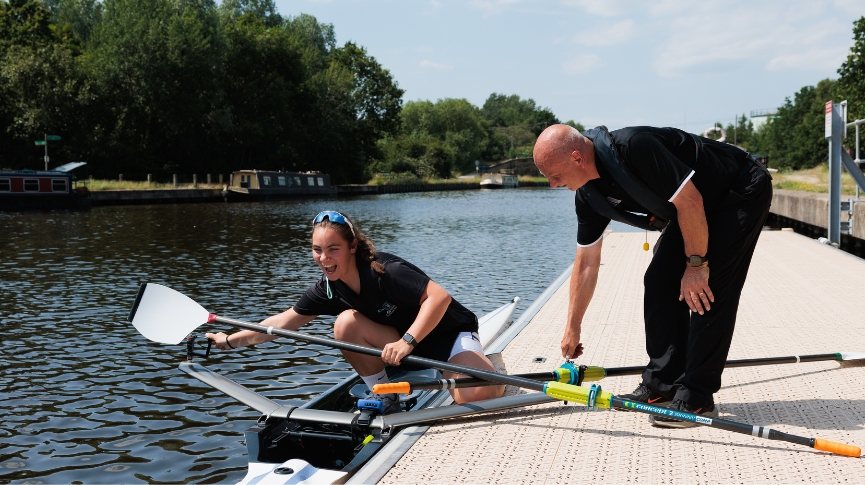
On Tuesday 23 June, British Rowing CEO Tom Solesbury paid a visit to GORSE and one of the schools in the academies trust, meeting David Holtham, the Executive Principal and Sir John Townsley, the Chief Executive Officer. Tom saw firsthand how supportive and motivated the club was and said: “It was fantastic to learn about how GORSE approaches the sport and to hear about the amount of support rowing is getting from the trust. It was brilliant to get out on the water and see such a high standard of rowing in the quads and singles and the drive that these rowers have. The win in the J14 Quadruple Sculls at the National Schools Regatta will not be the last we see of GORSE.”