Head racing tips for crews and coxes
With big head races fast approaching, Araminta Cullinane from JRN shares plenty of tips to help you and your crew perform at your best
Credit: AllMarkOne
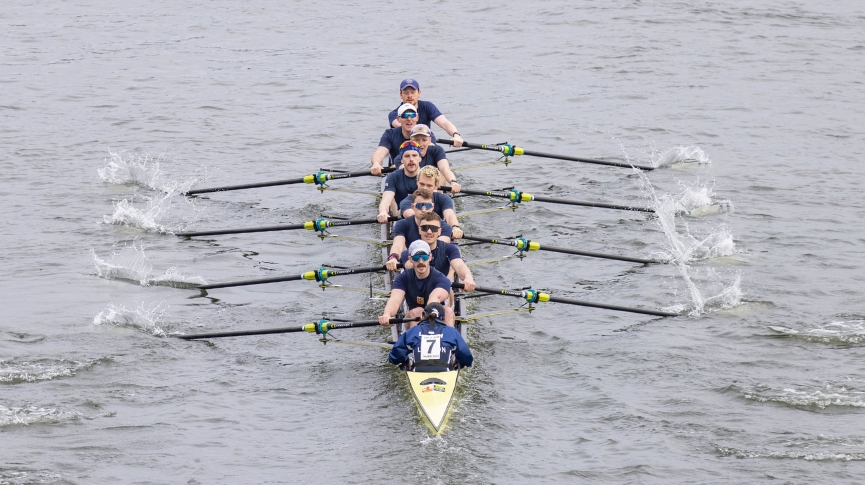
The 2026 racing season is open for business and with the Tideway head races fast approaching, we’ve got plenty of tips to help you perform at your best.
Sophie Wrightson, who coxed the Headington School Oxford Boat Club to victory in the Prince Phillip Challenge Trophy at Henley Royal Regatta, and Gemma Clare-Ali, Tideway veteran and Head Coach of Newnham College, Cambridge share their expertise on how to prepare and perform at your next head race.
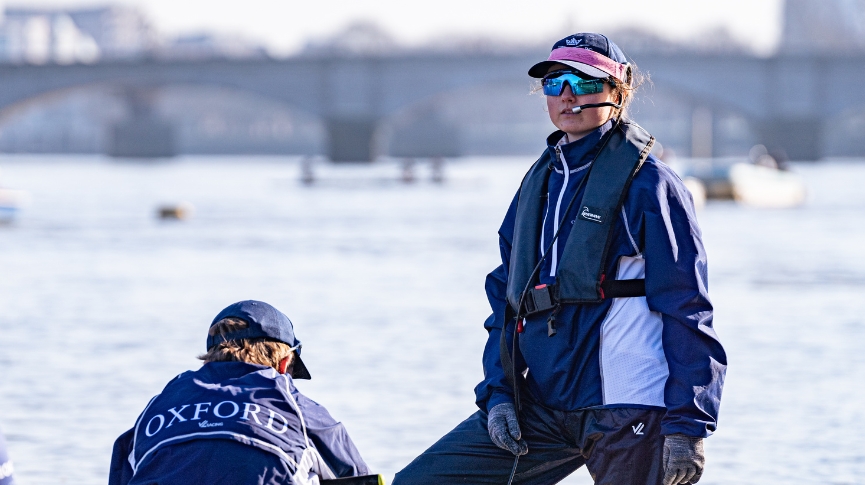
Fail to prepare, prepare to fail. Sophie’s top tips for coxes is all focused on the preparation:
- Read the marshalling instructions: Study the course before race day – event websites often have course maps that will help you get a feel of the location
- Ask lots of questions: If it’s your first time on the course, you could ask another cox (or one of your coaches) to go through the information with you
- Create a race plan: Head races are longer than regattas, so it helps to structure your calls to keep the rowers motivated. Your coach can help you develop one specific call to your crew. It might even help to note down an outline of your plan on a small piece of paper to give you a focus during the race
 Credit: AllMarkOne
For those not in the coxing seat, Gemma’ suggestions might come in handy:
- Visualise the course: If it’s your first time racing a particular event, or if you’re feeling the pressure spending some time, preferably as a crew, going over the race plan and visualising each stage of your course can be a game changer. Expect your race day to be thrown into chaos at any moment, and as such arrive at the course with a clear picture of exactly what you expect to happen over the coming hours
- Come prepared: If you’re on a course where your coach can’t easily access the boat, having a small dry bag in the boat with essential tools, spares, tape, plasters, and a phone can be a complete lifesaver – and very much worth the little extra weight
- Watch the weather: Your coach should be on this too, but if rain is forecast, pack plenty of waterproof laters. A super cheap plastic poncho can be a great way to keep legs dry while marshalling. Similarly, in the (unlikely event) the Met Office predicts hot sun. Hats, sunscreen, and sunglasses are essential. Pay particular attention to the ‘false flag’ cooling effect of a windy day, making you feel less hot than you genuinely are
Crews that have been more active in recent months will hopefully be pretty confident with their race day plans, but I wouldn’t fault anyone for feeling less experienced than they’d like, especially when it comes to marshalling. For coxes, Sophie advises:
- Have a schedule for the day: Ensure your rowers know the timings you expect to aim for and keep them updated as things inevitably get pushed back
- Be clear when communicating: Communication is essential particularly with other crews during marshalling and racing to keep your crew and boat safe
- Stay calm: As marshals get crews into position, the environment can get a bit stressful. When they give you instructions, stay relaxed as you relay the call. This will prevent your crew from tensing up before the start
Here the key message seems to be clarity and assertiveness. Clarity when communicating during marshalling is especially important provided you don’t want to end up in some kind of YouTube compilation.
 Credit: AllMarkOne
Keeping an eye out and your head straight on is key for rowers, too, as well as coaches. Gemma proposes:
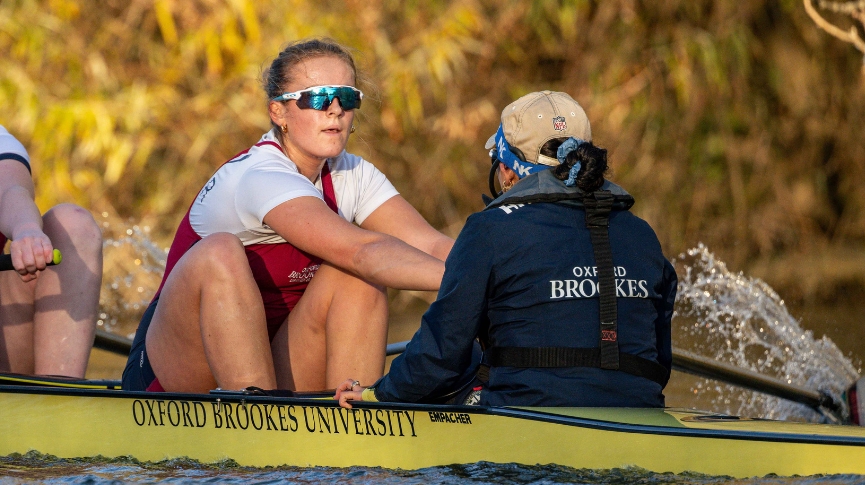
- Trust your cox: Listen to their calls and respond quickly. Feel free to anticipate the next command that might come your way, but wait until you’re told to do anything. Especially under the duress of Tideway marshalling, it’s easy to knock your cox’s confidence which is the last they – or you – need
- Communicate with the marshals: As Sophie said, don’t be afraid to query the instructions you’re given, particularly is half of their message got lost in the wind…
- Trust your coach: If you’re on a course with a towpath alongside the river, there’s likely to be a lower density of marshals to assist your crew, so your coach will take on a more significant role
Quick Tips
For coxes:
- Check your steering and cox box before you boat – if you’re confident in your ability to make repairs on the fly, taking a small flathead and connector block in the boat with you can (in favourable circumstances) give you a chance to save a snapped steering wire
- Bring a snack for just before the race (a good one is jelly babies!)
- Know which side of the river you are marshalling on
- Always remember steering a good line is more important than the calls you can make
For rowers:
- Pack plenty of layers to keep warm while waiting (very few races will start on time)
- Eat a good breakfast before you boat, but don’t consume anything too heavy in the last hour before you race
- Plan your warm-up and practice it at training before you race – the more you can rely on autopilot come race day, the better
For coaches:
- Prepare your crews from the minute they start their rowing journey. Involve them in discussions around proposed race plans, teach them to rig a shell, and fix common problems. There is a correlation between confidence and boat speed
- Make it clear to your crew that you trust them and, critically, their cox
With all this in mind, rowers and coxes alike will be a little more equipped for the rest of the season. Tideway rowing, in particular, isn’t always pretty, so keeping a cool head (possibly spurred on by Jelly Babies, as endorsed above) can always work as a baseline. Good luck, and good competition!