
Assistant Coach Training
If you coach alongside more experienced and qualified Lead Coaches, then the Assistant Coach Training is just what you need to support you in your role
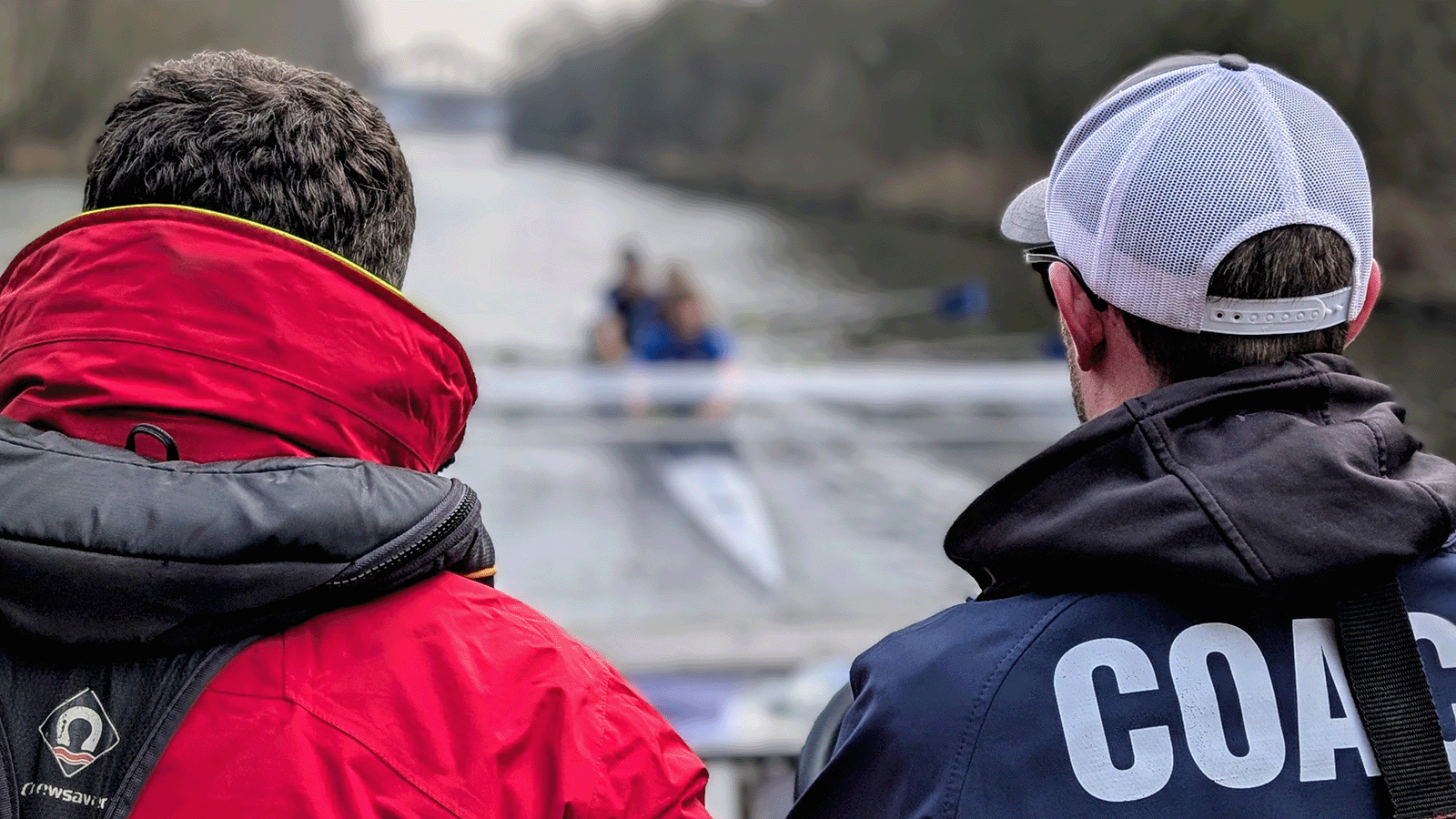
Credit: James Andrews
Quick Facts
How much will it cost?
Each online classroom is £35
The in-person practical day is £94
How long will it take to complete?
The three online classrooms are 2.5 hours each
The practical day is 7 hours.
To complete the training in fulll, you need to complete all four modules within an 18 month period.
If you are working towards a Coach qualification, the training is the starting point for you as well.
Consisting of four separate modules, the training is designed for you to attend in a flexible and convenient format. It is suitable for all formats of the sport including classic and fixed seat rowing.
By completing all four modules, you will be able to assist the planning and delivery of rowing sessions under either direct or indirect supervision. You will be part of a coaching team and have a clear understanding of practical delivery of the sport, including how to represent the sport as a safe and inclusive Coach in modern society. Following the completion of the modules and becoming a certified Assistant Coach, you can proceed to book onto the Coach qualification.
To understand more about the training, visit our FAQ section which explains how the training works in more detail.
Working Under Supervision – What Does It Mean for You as an Assistant Coach?
Your Assistant Coach Training is designed to support you to coach “under supervision.” Supervision will look different for every coach, and the priority is to always keep yourself and rowers safe. You will learn in your training, it’s up to you to make sure you have the right skills and qualifications for the role you are carrying out. Equally, it is the responsibility of your club or programme to help you to work under suitable supervision for you in your role.
It is essential for anyone taking on any coaching role to fully understand the specific guidance set out in RowSafe.
There are two main types of supervision for coaches: direct, and indirect.
What is Direct Supervision?
Direct supervision means that a Lead Coach is with you in person, giving you advice, corrections, and feedback right away.
With direct supervision:
- A Lead Coach will be alongside you, watching everything you do.
- You get feedback instantly, which helps you fix mistakes quickly and keeps you on the right track.
- This also helps keep things safe because if something becomes too challenging for you, requiring support from the lead coach.
Direct supervision is great when you’re new to coaching. It helps you feel supported and helps you grow. But it can sometimes make you depend too much on the Lead Coach, which might slow down your ability to make decisions on your own.
What is Indirect Supervision?
Indirect supervision is when a Lead Coach helps you, but not face-to-face all the time.
With indirect supervision:
- You might receive support through emails, video reviews, or written reports.
- The Lead Coach might give you session plans to follow
- The Lead Coach could be nearby, but not right next to you
This kind of supervision gives you more freedom to learn and grow on your own, which helps you build confidence and independence. It is also beneficial because the Lead Coach doesn’t have to be with you all the time, which can save time. But it can feel a little isolating sometimes, and you won’t get immediate feedback. This can make it harder to know if you’re doing everything right, which could lead to poor habits or safety risks.
Which Type of Supervision Is Right for You?
The type of supervision you get depends on your experience as a coach and the situation you’re in:
- Direct supervision is best for new coaches who need lots of feedback, especially in situations where safety is important.
- Indirect supervision is great when you’re ready for more freedom, and when flexibility and independence are needed.
As you grow as a coach, the best way to learn might be a mix of both – some direct guidance when you need it, and more independence when you’re ready for it. Even the most experienced Head Coaches benefit from working alongside others, and it is good practice to ensure you never coach in complete isolation.
What Does This Look Like in Practice?
1. For Coach level and above:
- Usually, you’ll coach on your own without supervision relative to a risk assessment.
- If there is a safety risk (based on a risk assessment), supervision or additional safety support might be needed.
2. For Assistant Coaches – This will always need to be risk assessed
- If the environment and/or activity is deemed high risk, you will need direct supervision
- If you are under 18, you will need direct supervision.
- If the environment and/or activity is deemed low risk relative to the rowers taking part, you can coach under indirect supervision.
Who can attend?
Anyone over 16 years old who wants to develop their coaching skills.
In addition to this you must be a British Rowing member. Non-members can apply online for instant membership. You will be able to add COACH membership to your profile once you hold the Assistant Coach Training credential.
How is the training structured?
The Assistant Coach Training consists of four modules; three tutor-led online classrooms, and one in-person practical day*. The online classrooms can be attended in any order. The topics are:
- Coaching with Confidence – Safety and Safe Behaviours
- Great Coaching in a Modern Society
- Understanding Your Role and Your Rowers
*All three modules need to be completed prior to booking onto the in-person day.
How do I book?
Step 1
Check the calendar to book onto your first module. You can add more than one module to your basket, but please ensure your in-person day is the final date.
Step 2
Complete the recommended pre-module preparation which will be sent to you, and look out for any further information such as joining instructions for the online modules which will be sent via email.
The practical day, ‘Bringing Your Coaching to Life’, focuses on understanding skill development and technique while embedding the principles of great coaching into your practical delivery. This module needs to be completed last in the series of four.
The course is attendance only, meaning there is no formal assessment. However, we will expect a level of engagement during each session in line with our Terms and Conditions, that ensures you understand the topics covered before awarding the credential. There will be opportunities to check your knowledge so you are confident in your level of understanding.
Resources
After signing up for the first module, you will receive resources for all four modules. This will include:
- A digital handbook for each module on our learning platform, RowHow.
- A set of technique, confidence and game activity cards (you will receive these at your in-person day)
What happens next?
Once you have completed all four modules, we will add the Assistant Coach Training to your British Rowing profile, and you will receive a certificate from our Awarding Body 1st4Sport. This will allow you to add COACH to your membership (this will be at no extra cost) so you can receive exclusive access to additional materials and enhanced insurance.
Where can I find funding?
Funding for your training may be available through your region. You can contact your Regional Coaching Representative via the directory here
Upcoming Assistant Coach Training
To see all available courses, including all four Assistant Coach Training modules until the end of 2026, please visit JustGo.